Fleet Safety Upgrades
Every Company Vehicle Needs
Before the first service call, delivery, or job site visit of the day, your fleet is already representing your business. But beyond branding and productivity, every company vehicle should be equipped to keep drivers, passengers, equipment, and the public safe.
Fleet accidents can result in costly repairs, increased insurance premiums, downtime, worker injuries, and damaged customer relationships. Fortunately, many risks can be reduced with the right fleet safety upgrades.
Whether you manage a handful of work trucks or an entire commercial fleet, investing in modern fleet safety solutions is one of the smartest decisions a business can make.
At VIP Truck & Fleet Upfitters, we’ve spent more than 30 years helping businesses improve vehicle functionality, compliance, and safety through professional upfitting solutions. Here’s a closer look at the fleet safety upgrades every company vehicle should have.
Why Fleet Safety Matters More Than Ever
Commercial vehicles spend thousands of hours on the road every year. The more miles driven, the greater the exposure to accidents, weather hazards, distracted drivers, and equipment failures.
According to fleet management and transportation safety experts, proactive safety measures can help companies:
- Reduce accident frequency
- Improve driver confidence
- Lower liability exposure
- Protect valuable assets
- Improve vehicle uptime
- Support regulatory compliance
- Reduce long-term operating costs
Modern fleet vehicle safety equipment isn’t just about preventing accidents—it’s about creating a safer and more productive operation.
Backup Cameras
One of the most effective commercial vehicle safety upgrades is the installation of backup cameras.
Large work trucks, vans, and service vehicles often have significant blind spots behind the vehicle. Backing accidents are among the most common fleet incidents and can lead to costly damage or serious injuries.
Benefits of Backup Cameras
- Improved rear visibility
- Reduced backing collisions
- Enhanced driver awareness
- Easier parking in tight spaces
- Increased pedestrian safety
Backup camera systems are especially valuable for service fleets operating in residential neighborhoods, crowded parking lots, and active job sites.
Blind Spot Monitoring Systems
Many fleet vehicles have limited visibility along the sides of the vehicle.
Blind spot monitoring systems use sensors and visual alerts to notify drivers when another vehicle enters a difficult-to-see area.
Why Fleets Need Blind Spot Detection
- Helps prevent lane-change accidents
- Improves highway driving safety
- Reduces driver stress
- Supports safer operation of larger vehicles
For contractors, utility companies, and delivery fleets, this technology provides an additional layer of protection on busy roadways.
High-Visibility Lighting Upgrades
Lighting is one of the most overlooked fleet safety solutions.
Work trucks often operate before sunrise, after sunset, or in poor weather conditions. Upgrading vehicle lighting improves visibility for both drivers and surrounding traffic.
Popular Lighting Upgrades
- LED work lights
- Strobe warning lights
- Beacon lights
- Scene lighting
- Cargo area lighting
- Reverse safety lighting
These upgrades are especially beneficial for roadside service providers, utility contractors, and crews working in low-light environments.
Safety Partitions and Bulkheads
Cargo movement inside a van can become dangerous during sudden stops or collisions.
Bulkheads and partitions separate the cab from the cargo area and help prevent equipment from shifting forward.
Benefits of Bulkheads
- Improved occupant protection
- Reduced cargo movement
- Better organization
- Enhanced security
For service vans carrying tools, parts, and equipment, this is one of the most important company vehicle safety upgrades available.
Ladder Rack Safety Systems
Many contractors transport ladders and oversized equipment daily.
Without proper storage, ladders can become hazardous during transit or loading and unloading.
Modern ladder rack systems improve safety by:
- Securing equipment properly
- Reducing lifting strain
- Minimizing fall risks
- Preventing cargo shifting
Drop-down ladder racks can further improve safety by reducing the need for employees to climb onto vehicles.
Secure Storage and Tool Retention Systems
Loose tools can create hazards inside work vehicles.
Custom shelving, drawer systems, and cargo management solutions help keep equipment organized and secure.
Advantages of Organized Storage
- Reduces trip hazards
- Prevents tool damage
- Improves productivity
- Enhances vehicle safety
Proper service vehicle organization also helps drivers maintain focus by eliminating clutter and distractions.
Vehicle Safety Cameras and Monitoring Systems
Fleet camera systems provide valuable visibility around the vehicle and can document driving events.
Many businesses now install:
- Forward-facing cameras
- Side cameras
- Rear cameras
- Driver monitoring systems
These systems can help identify unsafe driving habits while providing evidence if an incident occurs.
Benefits for Fleet Managers
- Improved accountability
- Driver coaching opportunities
- Reduced fraudulent claims
- Better risk management
Video systems have become an important component of modern fleet risk management programs.
Emergency Safety Equipment
Every fleet vehicle should carry basic emergency safety equipment.
Recommended items include:
- Fire extinguishers
- First-aid kits
- Reflective triangles
- Roadside safety kits
- Flashlights
- Emergency communication tools
Having the right equipment readily available can help drivers respond quickly during emergencies.
Advanced Driver Assistance Systems (ADAS)
Many modern commercial vehicles support advanced safety technology.
Examples include:
- Forward collision warning
- Automatic emergency braking
- Lane departure warning
- Adaptive cruise control
- Driver alert systems
These technologies help reduce human error, which remains one of the leading causes of vehicle accidents.
Vehicle Tracking and Telematics Systems
Telematics systems do more than track vehicle locations.
Modern fleet management safety platforms can monitor:
- Speeding events
- Harsh braking
- Rapid acceleration
- Idling time
- Driver behavior
These insights allow managers to identify risks before they lead to accidents.
Long-Term Benefits
- Improved fleet safety compliance
- Better driver coaching
- Reduced operating costs
- Increased accountability
Creating a Comprehensive Fleet Safety Program
While individual upgrades are valuable, the most effective strategy combines multiple vehicle safety systems into a comprehensive fleet safety program.
Successful fleets typically focus on:
- Vehicle safety equipment
- Driver training
- Preventive maintenance
- Technology integration
- Regular inspections
- Safety accountability
By combining these elements, businesses can create safer working environments and reduce accident-related expenses.
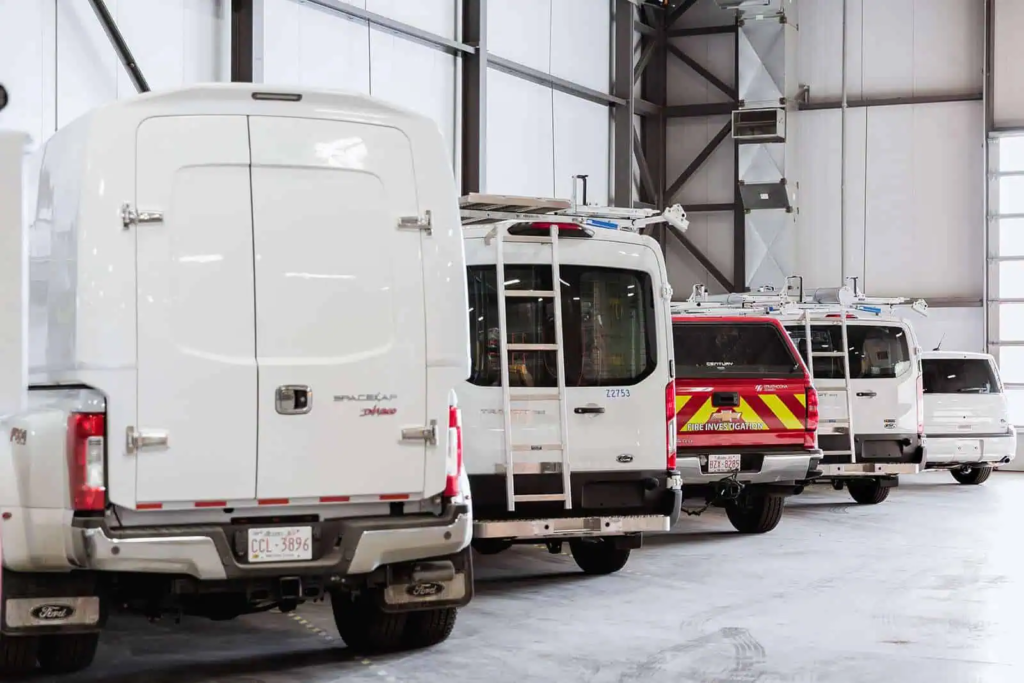
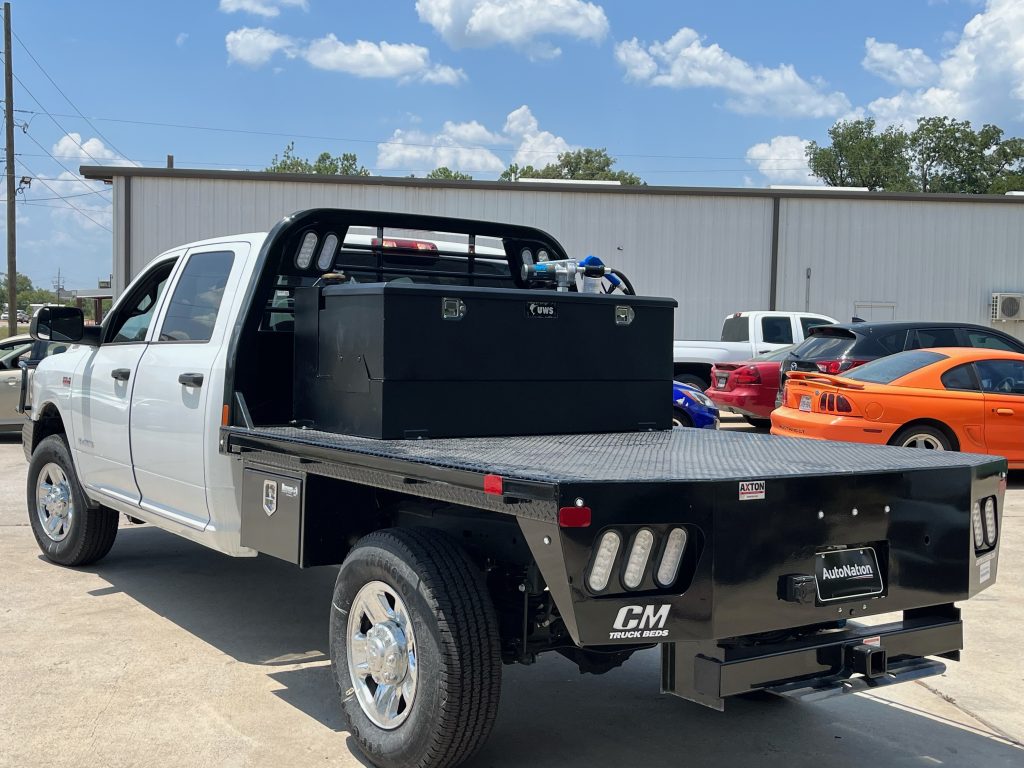
Why Professional Fleet Upfitting Matters
Not all fleet safety equipment is created equal.
Professional installation ensures safety systems function correctly, comply with regulations, and integrate seamlessly with vehicle operations.
At VIP Truck & Fleet Upfitters, we help businesses select and install fleet vehicle safety solutions tailored to their specific industry, vehicles, and operational needs.
With more than 30 years of experience, our team understands how to create safer, more productive work vehicles that support long-term fleet performance.
Protect Your Drivers, Vehicles, and Business
Safety should never be treated as an afterthought. The right commercial vehicle safety upgrades can reduce risk, improve driver confidence, and help protect your company’s most valuable assets.
Whether you’re upgrading a single work truck or an entire fleet, investing in modern safety equipment can deliver benefits for years to come.
The sooner you identify potential risks and implement practical safety solutions, the safer and more efficient your fleet can become.
Frequently Asked Questions
What are the most important fleet safety upgrades?
Some of the most effective fleet safety upgrades include backup cameras, blind spot monitoring systems, safety lighting, cargo partitions, ladder racks, telematics systems, and emergency safety equipment.
Do fleet safety upgrades reduce insurance costs?
Many insurance providers offer incentives or discounts for fleets that implement certain safety technologies and risk-reduction measures. Consult your insurance carrier for specific programs.
What safety equipment should every work truck have?
Every work truck should have a backup camera, emergency kit, fire extinguisher, reflective warning devices, secure cargo storage, and proper lighting.
How do telematics systems improve fleet safety?
Telematics systems monitor driving behaviors such as speeding, harsh braking, and excessive idling, helping managers identify risks and coach drivers more effectively.
Are backup cameras required on commercial vehicles?
Requirements vary by vehicle type and regulations, but backup cameras are widely recommended as a best practice for reducing backing accidents and improving visibility.
Why should fleet safety equipment be professionally installed?
Professional installation helps ensure equipment functions correctly, meets safety standards, and integrates properly with vehicle systems.
Some of the most effective fleet safety upgrades include backup cameras, blind spot monitoring systems, safety lighting, cargo partitions, ladder racks, telematics systems, and emergency safety equipment.
Many insurance providers offer incentives or discounts for fleets that implement certain safety technologies and risk-reduction measures. Consult your insurance carrier for specific programs.
Every work truck should have a backup camera, emergency kit, fire extinguisher, reflective warning devices, secure cargo storage, and proper lighting.
Telematics systems monitor driving behaviors such as speeding, harsh braking, and excessive idling, helping managers identify risks and coach drivers more effectively.
Requirements vary by vehicle type and regulations, but backup cameras are widely recommended as a best practice for reducing backing accidents and improving visibility.
Professional installation helps ensure equipment functions correctly, meets safety standards, and integrates properly with vehicle systems.
Make Fleet Safety a Competitive Advantage
Protect your drivers, equipment, and business with professional fleet safety upgrades from VIP Truck & Fleet Upfitters.
With over 30 years of experience, we help companies outfit work trucks, vans, and commercial fleets with the safety equipment they need to operate confidently and efficiently.
Schedule a consultation today to discuss fleet safety solutions tailored to your vehicles, industry, and operational goals.